Craig D. Rosenbaum | May 11, 2026 | Personal Injury
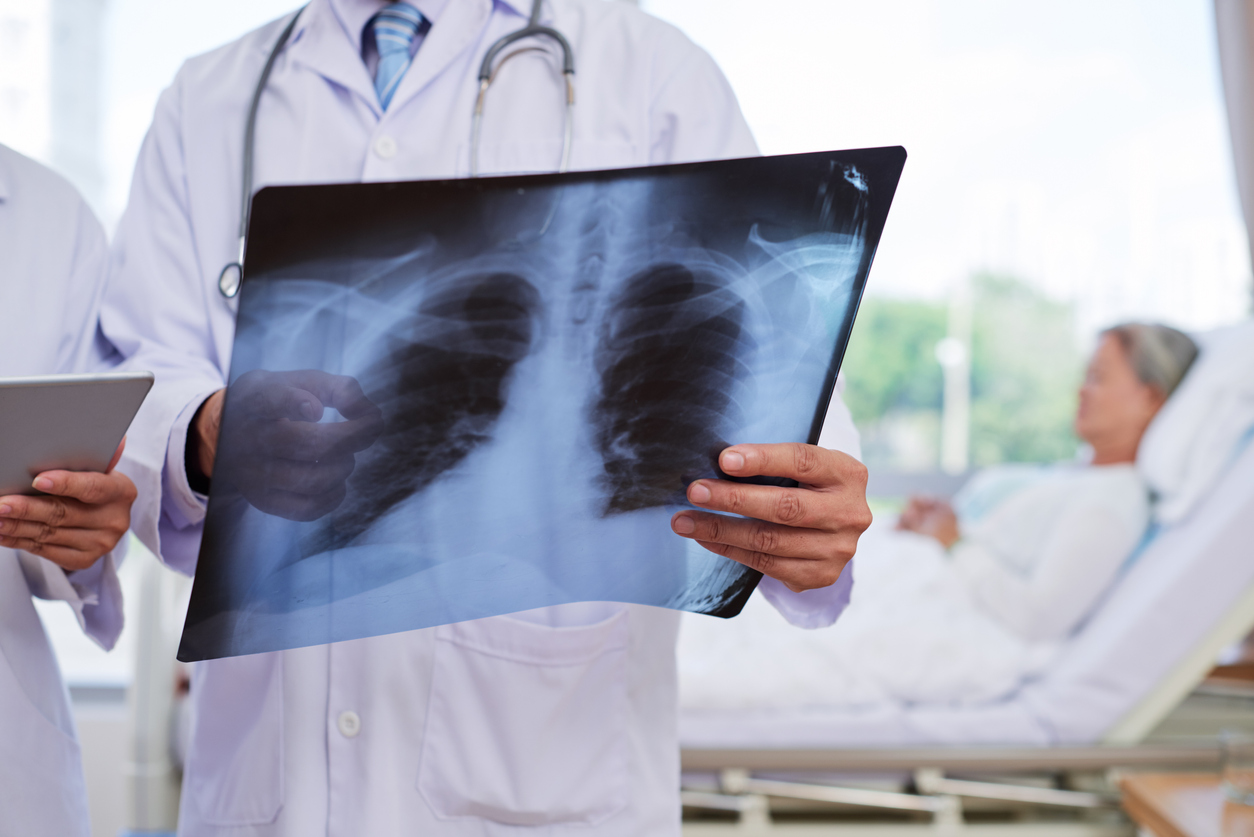
A fractured sternum, also known as a broken breastbone, is a painful and potentially serious injury that typically occurs after significant trauma to the chest. The sternum is the flat bone located in the center of the chest that connects to the ribs and helps protect vital organs such as the heart and lungs. Any injury to the sternum should be taken seriously and evaluated by a medical professional as soon as possible.
Sternal fractures commonly result from car accidents, especially when the chest strikes the steering wheel or seat belt during a collision. They may also occur after falls, sports injuries, workplace accidents, or other blunt-force trauma to the chest. While some fractures heal with rest and pain management, others may involve complications affecting nearby organs or structures.
Severe Chest Pain
One of the most common symptoms of a fractured sternum is intense pain in the center of the chest. The pain often begins immediately after the injury and may feel sharp, stabbing, or aching. Many people report that the pain worsens with movement or pressure on the chest.
Unlike mild chest bruising, the discomfort from a fractured sternum can become severe enough to interfere with normal daily activities. Even simple motions such as reaching, turning, or getting out of bed may become difficult.
Pain While Breathing
The sternum moves slightly during breathing, so a fracture can make every breath painful. Deep breaths are especially uncomfortable, and some people may begin taking shallow breaths to avoid worsening the pain.
Pain with breathing is an important warning sign because it may also indicate damage to surrounding structures, including the lungs. Difficulty breathing should never be ignored after chest trauma.
Swelling and Bruising
Visible bruising or swelling over the breastbone is another common symptom of a fractured sternum. The affected area may appear red, purple, or swollen shortly after the injury occurs.
In some cases, the chest may also feel warm or tender to the touch. Bruising may spread over time as blood collects beneath the skin.
Tenderness to the Touch
People with a fractured sternum often experience significant tenderness when pressure is applied to the center of the chest. Even light touching can trigger pain. Medical providers typically check for this symptom during a physical examination.
This tenderness can help distinguish a sternum fracture from other injuries, although imaging tests are usually necessary to confirm the diagnosis.
Pain When Coughing, Sneezing, or Laughing
Activities that place stress on the chest wall frequently intensify the pain of a fractured sternum. Coughing, sneezing, or laughing may cause sudden bursts of severe discomfort.
Many people also notice worsening pain when lifting objects or moving their arms above their heads because muscles attached to the sternum are activated during these movements.
Difficulty Moving the Upper Body
A fractured sternum can make upper-body movement challenging. Tasks such as pushing, pulling, twisting, or lifting may become painful or nearly impossible. Some individuals may even avoid moving their shoulders or arms to minimize discomfort.
Reduced mobility can interfere with work, exercise, and daily routines while the injury heals.
Grinding or Popping Sensations
In some cases, a fractured sternum may produce unusual sensations such as grinding, clicking, or popping when the chest moves. This symptom, known as crepitus, can occur when broken bone fragments rub together.
A grinding sensation may indicate a more severe or displaced fracture and should be evaluated immediately.
Visible Chest Deformity
Severe fractures may cause the sternum to appear misshapen or uneven. Some people notice an indentation or abnormal bump in the center of the chest after the injury.
A visible deformity can suggest that the broken pieces of bone have shifted out of place, which may require surgical treatment.
Shortness of Breath
Shortness of breath can develop for several reasons after a sternum fracture. Pain may prevent deep breathing, or the injury may involve the lungs or other nearby structures.
Since the sternum helps protect the heart and lungs, high-impact trauma strong enough to break the breastbone may also cause internal injuries. Anyone experiencing breathing difficulties after chest trauma should seek emergency medical attention.
Contact the NYC Personal Injury Lawyers at Rosenbaum Meier Personal Injury Lawyers for a Free Consultation
A fractured sternum is a serious injury that can cause severe chest pain, breathing difficulties, swelling, bruising, and limited movement. It is critical to seek prompt medical evaluation to rule out complications involving the heart, lungs, or surrounding structures.
For more information, please contact Rosenbaum Meier Personal Injury Lawyers to schedule a free consultation. We have three convenient locations around Manhattan, NY, near you in New York City, The Bronx, and Brooklyn.
Rosenbaum Meier Personal Injury Lawyers – New York City Office
100 Wall St 24th Floor, New York, NY 10005
(212) 514-5007
Rosenbaum Meier Personal Injury Lawyers – Bronx Office
1578 Williamsbridge Rd suite 3b, Bronx, NY 10461
(212) 514-5007
(917) 905-2339
Rosenbaum Meier Personal Injury Lawyers – Brooklyn Office
32 Court St #704, Brooklyn, NY 11201
(212) 514-5007
(917) 920-7332
About the Author