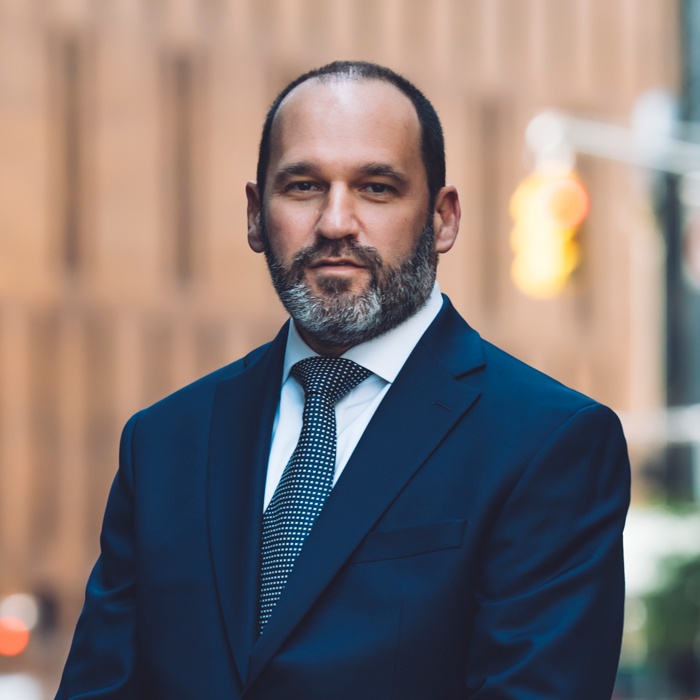
Craig D. Rosenbaum | July 20, 2026 | Medical Malpractice

A delayed diagnosis of squamous cell skin cancer may allow you to file a medical malpractice lawsuit if a healthcare provider’s negligence caused you harm. However, a late diagnosis alone does not prove malpractice.
You generally must show that a qualified provider failed to meet the accepted standard of care and that the delay made your condition worse. A medical expert will often need to review your records before the strength of a claim can be determined.
What Is Squamous Cell Skin Cancer?
Squamous cell carcinoma is a common type of skin cancer. It may appear as a scaly patch, a firm growth, or a sore that does not heal. Although it often grows slowly, some tumors can grow quickly.
Squamous cell skin cancer is highly treatable when found early. After a diagnosis, doctors may perform tests to determine whether the cancer has grown deeper into the skin or spread elsewhere in the body. Treatment depends on the tumor’s size, location, stage, and other features.
When Could a Late Cancer Diagnosis Be Medical Malpractice?
Doctors are not expected to identify every illness immediately. A delayed diagnosis may amount to malpractice when a reasonably careful provider would have recognized the warning signs or ordered further testing under similar circumstances.
Possible examples include:
- Failing to examine a suspicious skin growth
- Dismissing a sore that would not heal
- Failing to order or perform a biopsy
- Misreading a pathology report
- Losing test results
- Failing to tell a patient about abnormal findings
- Not referring the patient to a dermatologist
- Failing to schedule appropriate follow-up care
An unfavorable result does not automatically mean that a doctor was negligent. The provider’s actions must be compared with the accepted medical standard of care.
What Must I Prove in a Delayed Diagnosis Lawsuit?
A successful medical malpractice claim generally requires proof of several connected elements. You must first show that a healthcare provider owed you a professional duty of care.
You must then establish that the provider departed from the accepted standard of care. Finally, you must connect that error to an injury that would likely have been avoided or reduced with a timely diagnosis.
For example, a delay may cause harm if the cancer:
- Grew larger or deeper
- Spread to lymph nodes or other areas
- Required more extensive surgery
- Caused greater scarring or disfigurement
- Required additional forms of treatment
- Reduced the available treatment options
- Caused more pain or emotional distress
A medical expert may examine earlier photographs, office notes, biopsy reports, pathology slides, referrals, and follow-up instructions. The expert can assess when the cancer should reasonably have been identified and how the delay affected the patient.
How Long Do I Have to File a Claim in New York?
New York generally requires a medical malpractice action to be filed within two years and six months of the negligent act or omission. Different timing rules may apply when the claim involves an alleged failure to diagnose cancer or a malignant tumor.
In qualifying cancer cases, the deadline may run from when the patient knew or reasonably should have known about the alleged diagnostic error and the resulting injury. However, the law also includes an outside limit that may prevent a claim filed more than seven years after the alleged failure. Continuous treatment and other circumstances can affect the calculation.
These deadlines are complex and highly dependent on the facts. Records should be reviewed promptly so that a possible claim is not lost.
What Should I Do if My Cancer Was Diagnosed Late?
Continue following the advice of your treating doctors and focus on receiving appropriate medical care. You may also request copies of your complete medical records, including test results, pathology reports, appointment notes, referrals, and messages exchanged with healthcare providers.
Write down when you first reported symptoms, what each provider told you, and when you learned of the diagnosis. Avoid changing or marking original records. A medical malpractice attorney can arrange an independent review to determine whether the delay may have been preventable.
Contact the New York City Medical Malpractice Lawyers at Rosenbaum Meier Personal Injury Lawyers for Help
A delayed squamous cell skin cancer diagnosis can lead to more invasive treatment, higher medical costs, and lasting physical or emotional harm. Determining whether malpractice occurred requires a careful review of the medical timeline, records, and each provider’s actions.
For more information, contact the New York City medical malpractice lawyers at Rosenbaum Meier Personal Injury Lawyers to schedule a free consultation.
We have three convenient locations around Manhattan, NY, near you in New York City, The Bronx, and Brooklyn.
Rosenbaum Meier Personal Injury Lawyers – New York City Office
100 Wall St 24th Floor, New York, NY 10005
(212) 514-5007

Rosenbaum Meier Personal Injury Lawyers – Bronx Office
1578 Williamsbridge Rd suite 3b, Bronx, NY 10461
(212) 514-5007
(917) 905-2339
Rosenbaum Meier Personal Injury Lawyers – Brooklyn Office
32 Court St #704, Brooklyn, NY 11201
(212) 514-5007
(917) 920-7332
About the Author