Craig D. Rosenbaum | January 31, 2026 | Car Accidents
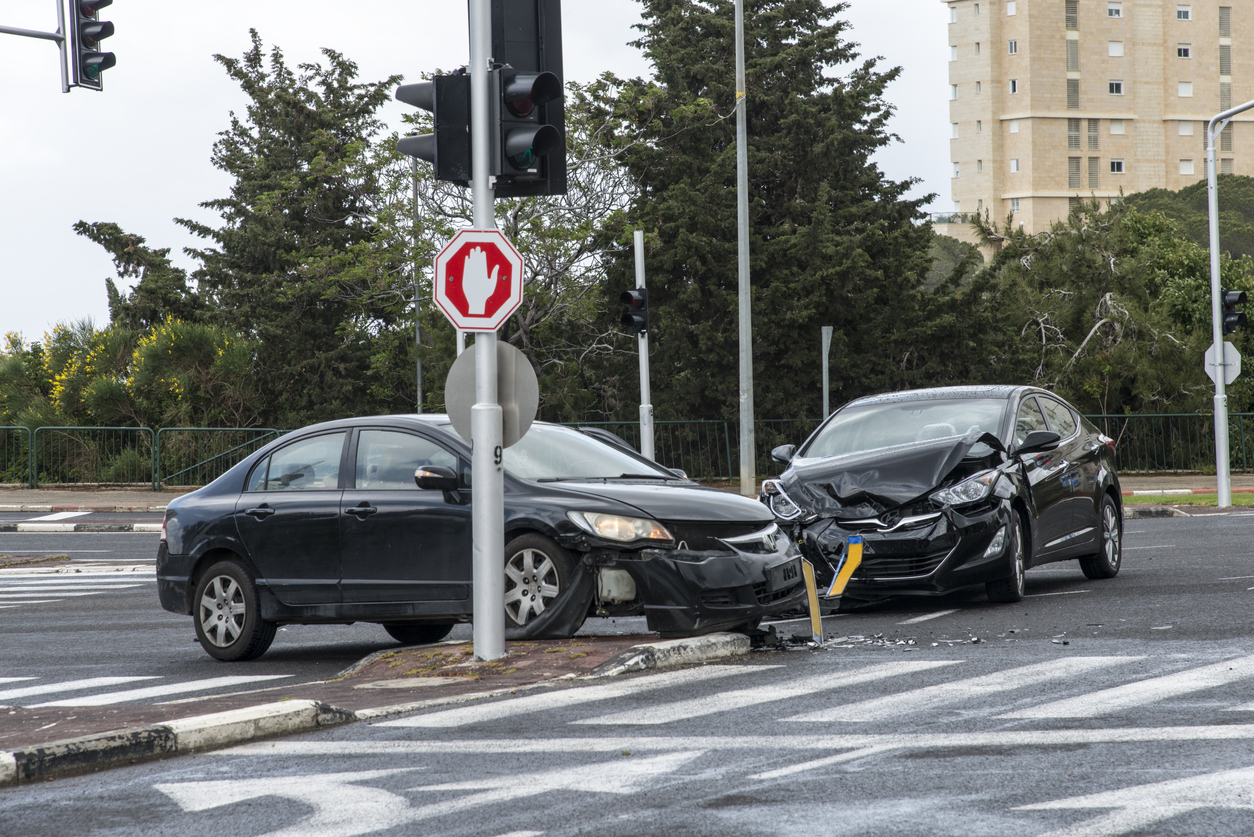
T-intersections are common on New York roads. Unfortunately, they are also the frequent cause of car accidents when one driver fails to yield the right of way. If you or a loved one were injured in a crash at a T-intersection, understanding who was required to yield is an important step in determining fault and protecting your right to potential compensation.
What Is a T-Intersection?
A T-intersection is formed when one roadway ends and meets another, creating the shape of the letter “T.” One road continues straight through, while the other road terminates at it.
These intersections are often controlled with:
- Stop signs
- Yield signs
- Traffic lights
- No signs at all
Determining who must yield at a T-intersection in New York depends on how it is controlled.
Who Has the Right of Way at a T-Intersection in New York?
Right-of-way rules at T-intersections depend on how the intersection is controlled. Understanding these rules can help avoid accidents and keep everyone safer. Here are common rules to keep in mind:
1. When There Are No Traffic Signs or Signals
Some T-intersections in New York are not controlled with stop signs, yield signs, or traffic lights. Drivers are required to follow right-of-way rules when they encounter a T-intersection without posted signs.
The following rules generally apply at uncontrolled T-intersections:
- Drivers on the road that ends must yield to through traffic.
- Vehicles traveling on the through road have the right of way.
- Drivers entering from the ending road must wait until it is safe to proceed.
Failing to yield in these situations frequently leads to serious T-bone accident injuries.
2. When There Is a Stop Sign
Stop signs are commonly placed at T-intersections. Their purpose is to ensure drivers pause for oncoming traffic before entering the intersection.
You must do the following if you encounter a stop sign at a T-intersection:
- You must come to a complete stop.
- You must yield to all vehicles on the through road.
- You may proceed only when it is safe to do so.
Drivers who fail to fully stop or misjudge traffic can easily cause a crash.
3. When There Is a Yield Sign
Yield signs are designed to keep traffic moving while protecting the right-of-way. They require drivers to be prepared to stop when traffic approaches.
Drivers must do the following at T-intersections with a yield sign under New York law:
- Slow down or stop if necessary.
- Yield the right of way to traffic on the roads.
- Proceed only when the way is clear.
Many drivers mistakenly treat yield signs as optional, which can lead to crashes. Failing to yield when required can make you legally responsible for resulting damage.
4. When Traffic Lights Are Present
Some T-intersections are controlled with traffic signals, especially in busy areas. These signals dictate when drivers may drive, turn, or stop.
The following rules apply if traffic lights control a T-intersection:
- Drivers must obey traffic signal indications.
- A green light does not automatically give you the right to turn or cross traffic.
- You must yield to vehicles already in the intersection or approaching lawfully.
Even with a green light, drivers have a duty to proceed cautiously. Ignoring traffic conditions or failing to yield when required can still result in liability for an accident.
Liability for Accidents Involving T-Intersections and Failing To Yield
Failing to yield the right of way is a traffic violation in New York. It is also strong evidence of negligence in personal injury claims. A driver who fails to yield may be held liable for economic and non-economic damages their actions cause in an accident.
Examples of negligence in Bronx intersection crashes include:
- Pulling out into oncoming traffic without looking
- Rolling through a stop sign and not stopping
- Misjudging the speed or distance of another vehicle
- Ignoring a yield sign
New York’s no-fault insurance system may cover some immediate costs after an accident, but serious injuries often allow victims to pursue claims against the at-fault driver as well. Police reports, witness statements, traffic camera footage, and accident reconstruction can all help prove fault.
Rosenbaum Meier Personal Injury Lawyers Can Help if You’ve Been Involved in an Accident
T-intersections are common on New York roads, and failing to navigate them safely can lead to dangerous crashes. If you or a loved one were injured in a T-intersection crash in New York, you do not have to navigate the aftermath alone.
A Bronx car accident lawyer can help you understand your rights and next steps. Contact Rosenbaum Meier Personal Injury Lawyers today to schedule a free consultation.
For more information, please contact Rosenbaum Meier Personal Injury Lawyers to schedule a free consultation. We have three convenient locations around Manhattan, NY, near you in New York City, The Bronx, and Brooklyn.
Rosenbaum Meier Personal Injury Lawyers – New York City Office
100 Wall St 24th Floor, New York, NY 10005
(212) 514-5007
Rosenbaum Meier Personal Injury Lawyers – Bronx Office
1578 Williamsbridge Rd suite 3b, Bronx, NY 10461
(212) 514-5007
(917) 905-2339
Rosenbaum Meier Personal Injury Lawyers – Brooklyn Office
32 Court St #704, Brooklyn, NY 11201
(212) 514-5007
(917) 920-7332
About the Author