Craig D. Rosenbaum | December 15, 2025 | Car Accidents
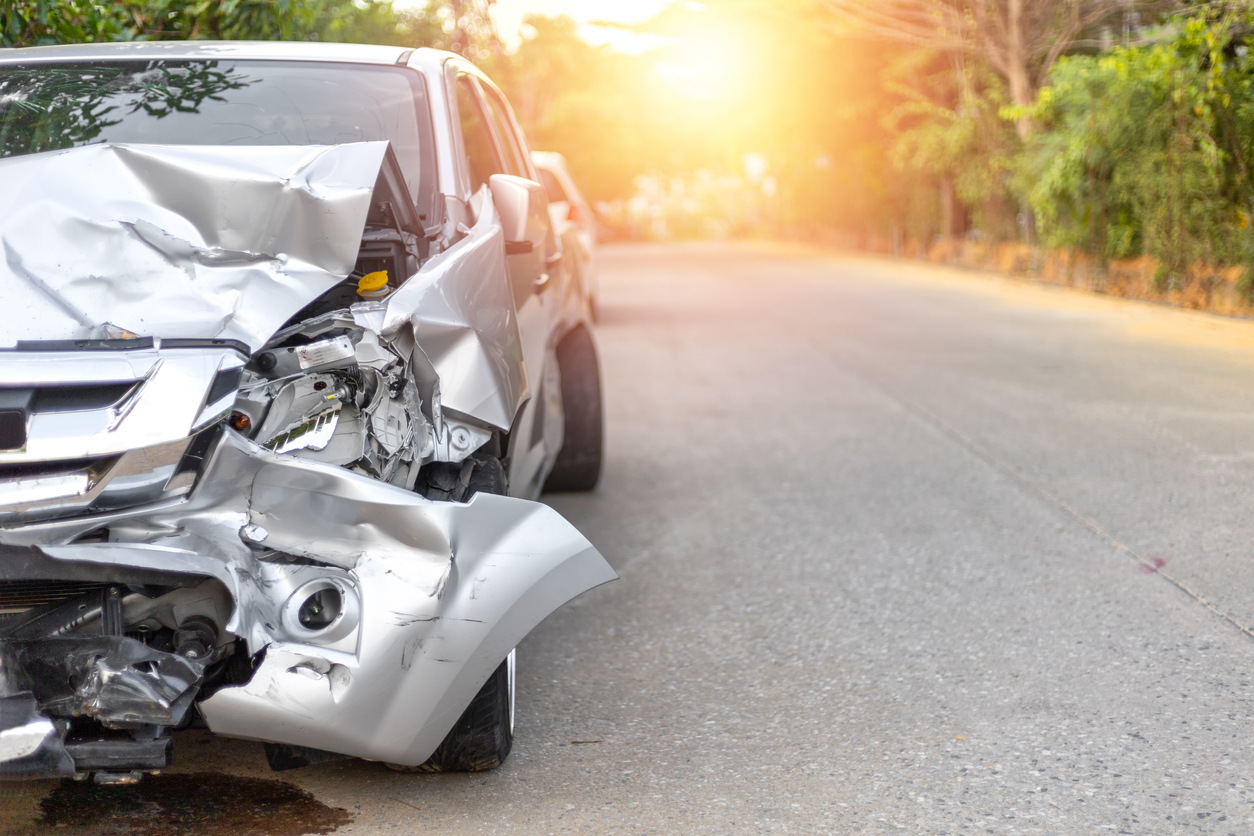
After a serious crash, you may be told that your vehicle is a total loss, even though it still starts and drives. This situation confuses many drivers, especially in New York, where insurance rules can be complex.
If you are wondering what happens if your car is totaled but still drivable, it helps to understand how insurers define a total loss, what options you have, and how this decision can affect your finances and injury claim. Continue reading to learn more about how to handle a totaled car that is still drivable and your legal options.
How Do Insurance Companies Decide if a Car Is Totaled?
In New York, a car is generally considered totaled when the cost to repair it is close to or greater than its actual cash value before the accident. Actual cash value is based on factors such as age, mileage, condition, and market value, rather than the original purchase price of the car.
Even if the engine runs and the car can be driven short distances, hidden damage can make repairs too expensive. Structural damage, airbag deployment, or frame issues often push repair costs past the point where an insurer will approve them.
This decision is financial, not mechanical. A drivable car can still be declared a total loss if repairing it does not make economic sense.
What Happens After a Total Loss Determination?
Once your insurer declares the car totaled, you are usually given a settlement offer based on the car’s value before the crash, minus any deductible that applies. From there, you typically have two main choices.
You may be able to:
- Accept the payout and give the vehicle to the insurance company
- Keep the vehicle and receive a reduced payout
If you keep the car, the insurer subtracts its salvage value from your settlement. The vehicle title is often branded as salvage, which can limit resale value and make future insurance more difficult.
Can You Keep Driving a Totaled Car?
A totaled car may still be legally drivable in some cases, but that does not mean it should be. Safety is the biggest concern. Damage to the frame, suspension, or safety systems may not be immediately apparent, but it can increase the risk of another accident.
Before driving a totaled vehicle, it is recommended that you have it inspected by a qualified mechanic. If the car has a salvage title, New York may require repairs and inspections before it can be legally registered and insured again.
Insurance companies may also refuse to provide full coverage for a vehicle with a salvage or rebuilt title.
What if You Disagree With the Insurance Company?
You are not required to accept the first settlement offer. If you believe your car is worth more than the insurer claims, you can challenge the valuation.
Steps that may help include:
- Gathering listings for similar vehicles in your area
- Providing maintenance records or proof of upgrades
- Requesting a detailed valuation report from the insurer
- Getting an independent appraisal
Disagreements over total loss value are common, and pushing back can sometimes result in a higher payout.
Does a Totaled Car Affect an Injury Claim?
The condition of your vehicle can influence an injury claim, but it does not control it. Even in cases where the car is still drivable, occupants can suffer serious injuries. Soft tissue injuries, concussions, and spinal issues do not always match visible vehicle damage.
New York follows a pure comparative fault system. This means you can still recover compensation even if you were partly at fault, though your recovery may be reduced by your share of responsibility. Vehicle damage is only one factor insurers consider when evaluating fault and injury severity.
Understanding what happens if your car is totaled but still drivable is important when deciding how to move forward after a crash. The right choice depends on safety, finances, and how the accident affects the rest of your life.
Contact the Bronx Car Accident Attorneys at Rosenbaum Personal Injury Lawyers for Help Today
When a car is declared a total loss but still runs, it can put you in a tough spot. You may need transportation, but you also need to protect yourself from future costs and safety risks. Taking time to understand your options, review the insurance decision, and consider long-term consequences can help you avoid costly mistakes.
For more information, please contact Rosenbaum Personal Injury Lawyers to schedule a free consultation. We have three convenient locations around Manhattan, NY, near you in New York City, The Bronx, and Brooklyn.
Rosenbaum Personal Injury Lawyers – New York City Office
100 Wall St 24th Floor, New York, NY 10005
(212) 514-5007
Rosenbaum Personal Injury Lawyers – Bronx Office
1578 Williamsbridge Rd suite 3b, Bronx, NY 10461
(212) 514-5007
(917) 905-2339
Rosenbaum Personal Injury Lawyers – Brooklyn Office
32 Court St #704, Brooklyn, NY 11201
(212) 514-5007
(917) 920-7332
About the Author