

Craig D. Rosenbaum | September 21, 2025 | Premises Liability
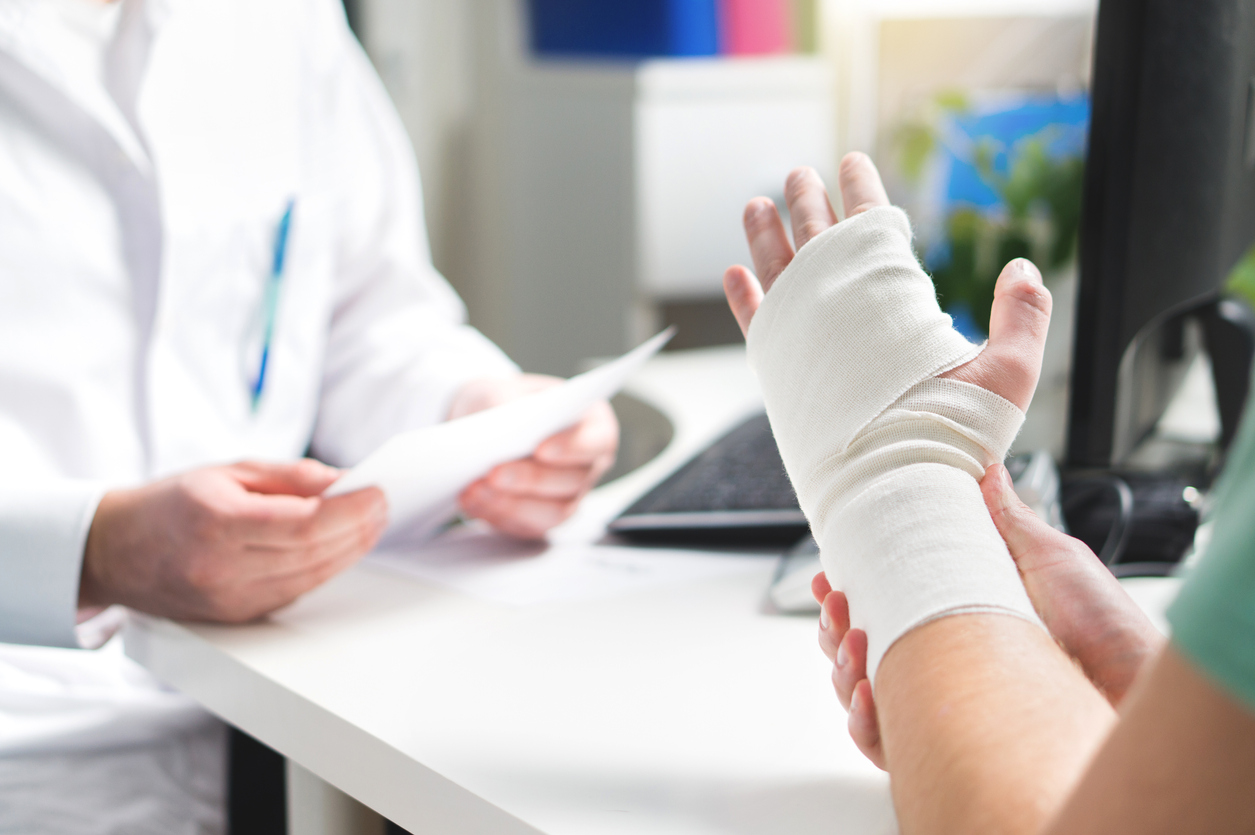
The third-leading cause of death in New York is accidents. Unintentional injuries from falls, car accidents, ceiling collapses, and other traumatic events cause more deaths than any other cause except heart disease and cancer.
Although many of these injuries and deaths occur on roads, many of the leading causes of accidental injuries occur in homes, businesses, and public spaces. When injuries and deaths result from dangerous conditions on another’s property, you may have the right to pursue injury compensation by proving the negligence of the person or entity in control.
Common Dangerous Conditions Encountered on Property
Many different hazardous conditions can lead to unintentional injuries and deaths on someone else’s property. Property owners have a duty to maintain safe environments, but when they fail to do so, visitors can face serious risks.
The following are common conditions that lead to falls:
Falling Hazards
Falls kill more people than car accidents. They are also a leading cause of unintentional injuries to young children and seniors. Elevated falls are also a leading cause of workplace injuries.
Falls often result from hazardous property conditions. For example, a broken stair railing can cause someone to fall from one level to a lower level. Similarly, a burned-out lightbulb might prevent a construction worker from seeing a hole in the floor.
Slipping and Tripping Hazards
Falls can also occur at the same elevation. When someone trips or slips, they may fall to the ground. Although they might not fall as far, they can still suffer disabling injuries.
Slip and fall accidents happen when the victim’s feet lose traction. They slide forward, causing them to fall backward. When falling backward, the victim cannot catch themselves. They hit the ground hard, hitting their buttocks, back, and head on the ground.
What Are Common Slipping Hazards?
Some common slipping hazards include the following:
- Standing water
- Snow or ice
- Floor polish
- Spilled food or drinks
- Sand or dirt
Trip and fall accidents happen differently. Someone trips when they unexpectedly lose their footing while walking. They lose their balance, and their momentum causes them to fall forward. They may throw their arms out to stop their fall. When they hit the ground, they may injure their knees, wrists, face, or head. If they manage to turn, they may injure their hip.
What Are Common Tripping Hazards?
The following hazards can cause someone to trip:
- Raised carpet
- Loose rugs
- Unmarked steps
- Potholes
- Raised thresholds
- Objects on the ground
In either case, the fall can cause fractures, soft tissue injuries, and even brain injuries.
Fire Hazards
New York has many building regulations to reduce fire risks in offices, apartments, restaurants, and other businesses.
However, fires still happen due to the following circumstances:
- Incorrect wiring
- Broken fire suppression systems
- Missing or non-functional smoke detectors
- Improperly stored flammable materials
- Undetected gas leaks
Importantly, these conditions are not limited to older buildings. New construction can have hazards that increase the risk of a fire or prevent building occupants from being warned of fires.
Asphyxiation and Drowning Hazards
Asphyxiation and drowning happen when a person does not receive enough oxygen. The human brain needs a constant supply of oxygen to perform the cellular metabolism that keeps the tissues alive. When the brain is deprived of oxygen, brain damage can occur in just a few minutes. Death follows soon afterward.
Some common causes of oxygen deprivation include the following:
- Carbon monoxide
- Gas leaks
- Smoke
Drowning can also cause oxygen deprivation. Drownings can happen in any standing water, including bathtubs, hot tubs, and swimming pools.
Infants, toddlers, and young children are particularly at risk of drowning. They are attracted to pools, fountains, and other water features, but often lack any appreciation for the dangers posed by them.
These features are not necessarily hazardous on their own. However, they may pose a hazard if they are inadequately protected. For example, a swimming pool might be hazardous if it lacks a fence to keep small children away. It may also be dangerous if the depths are mismarked, lifesaving equipment is not provided, or lifeguards are not posted.
Liability for Injuries Caused by Hazardous Conditions
The liability for dangerous conditions falls on the person or business responsible for the premises. Thus, a property owner, manager, or tenant could be responsible for accidents that occur on the property they own, manage, or occupy. Notably, the location of the accident may determine who is liable.
For example, the liability for a slip and fall injury inside a store might fall on the shop owner. However, the liability for a slip and fall injury in the store’s parking lot might fall on the shop’s landlord or the parking lot’s manager.
When Liability Depends on Negligence
However, these parties are not responsible for all dangerous conditions on their property under their control. Instead, they are only liable if they were negligent in protecting the safety of guests on the premises.
Negligence means that the party failed to exercise reasonable care under the circumstances. In this case, reasonable care might require the responsible party to take the following steps to reasonably ensure visitor safety:
- Inspect their property for hazardous conditions
- Warn visitors about hazards in guest areas
- Fix dangerous conditions within a reasonable time
When the party responsible for the property is negligent, they may bear the liability for any injuries that result from their acts or omissions.
Possible Defenses Against Dangerous Property Conditions
The party responsible for the premises may raise defenses against liability. For example, they only owe a duty of care to invited guests. Trespassers are usually only protected from deliberately harmful acts. Thus, if someone is injured by a falling object when they enter an area marked “employees only,” they might have no right to pursue injury compensation.
Another possible defense is comparative negligence. Under New York law, a victim’s compensation may be reduced in proportion to their share of the blame.
For example, suppose the victim was drunk when they slipped on a spilled drink that a server knew about but failed to mop. The victim might bear a portion of the blame for the accident and, as a result, may lose a portion of their compensation.
Contact the New York City Premises Liability Lawyers at Rosenbaum Meier Personal Injury Lawyers for Help Today
Dangerous conditions on a property can seriously injure victims. When these conditions arise from negligence in finding and fixing them, victims can pursue compensation for their injury-related losses.
If you’ve been injured in an accident on someone’s property, Rosenbaum Meier Personal Injury Lawyers is here to help. We fight to get accident victims the compensation they deserve. Contact us today for a free consultation with a New York City premises liability attorney.
For more information, please contact Rosenbaum Meier Personal Injury Lawyers to schedule a free consultation. We have three convenient locations around Manhattan, NY, near you in New York City, The Bronx, and Brooklyn.
Rosenbaum Meier Personal Injury Lawyers – New York City Office
100 Wall St 24th Floor, New York, NY 10005
(212) 514-5007
Rosenbaum Meier Personal Injury Lawyers – Bronx Office
1578 Williamsbridge Rd suite 3b, Bronx, NY 10461
(212) 514-5007
(917) 905-2339
Rosenbaum Meier Personal Injury Lawyers – Brooklyn Office
32 Court St #704, Brooklyn, NY 11201
(212) 514-5007
(917) 920-7332