

Craig D. Rosenbaum | September 18, 2025 | Personal Injury
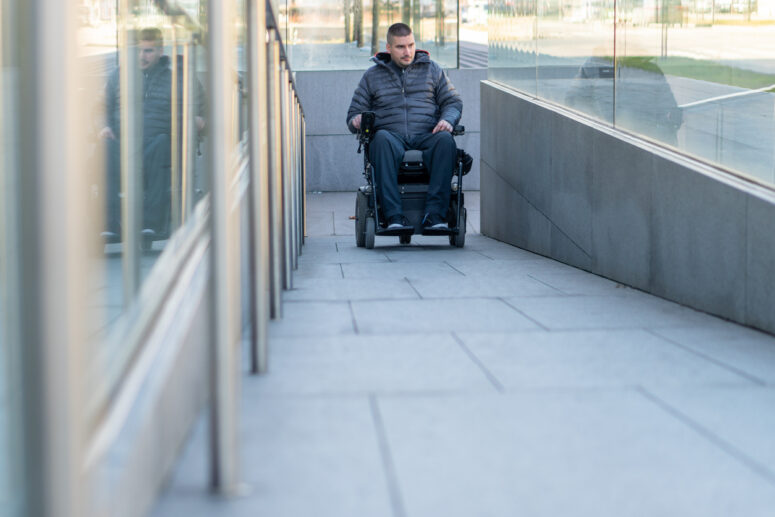
Spinal cord injuries typically take two forms. Quadriplegia is a more serious injury because it affects all four limbs. Paraplegia is typically less serious, but it still permanently disables the patient’s lower body.
However, this broad difference is just one factor that distinguishes these injuries. They also differ in how they happen and what symptoms you may experience.
Causes of Spinal Cord Injuries
The spinal cord is a bundle of nerves. These nerves cannot carry signals between the brain and body when they suffer damage. This damage typically takes the following three forms:
- Nerve compression: Nerve compression happens when something presses on a nerve. In the case of a spinal cord injury, the compression could come from a dislocated vertebra or disc. The compression irritates the nerves and causes them to misfire.
- Nerve traction: Nerve traction occurs when the nerve tissue is stretched. Again, a damaged nerve will either short-circuit or misfire, causing symptoms. The traction often comes from hyperextension of the spine during an accident, such as a violent car accident.
- Nerve laceration: A nerve cannot carry signals after it has been cut. In most cases, a nerve gets severed when a foreign object or a vertebra enters the spinal canal. Severed nerves cannot be repaired, so the victim will suffer permanent disabilities from the lack of nerve activity.
Understanding the different ways spinal cord nerves can be damaged highlights just how serious these injuries are.
Symptoms of Quadriplegia and Paraplegia
The differences in symptoms between quadriplegia and paraplegia arise from the level of the spine at which the injury occurs. If the injury occurs in the neck, it can affect the nerves leading to the arms, legs, chest, and abdomen. Conversely, an injury in the back will affect the abdomen and legs.
Quadriplegia Symptoms
Quadriplegia, also called tetraplegia, happens when a victim’s injury occurs in the cervical spine. These vertebrae protect nerves running to every part of the body below the neck, including the upper and lower body. As a result, the symptoms of quadriplegia will affect everything below the neck.
Quadriplegia can cause paralysis and loss of sensation in the following areas:
- Chest muscles — necessitating a respirator to aid breathing
- Fingers, hands, arms, and shoulders
- Abdomen, affecting the digestive and reproductive organs
- Hips and lower limbs
Thus, quadriplegia will affect the victim’s entire body.
Paraplegia Symptoms
Paraplegia occurs when the victim suffers a spinal cord injury in their thoracic or lumbar spine. Since the nerves running to the upper limbs and chest have exited the spinal cord, injuries at those levels will only affect the abdomen, pelvic area, and lower limbs.
Common Symptoms in Quadriplegia and Paraplegia
Despite these differences, quadriplegia and paraplegia share some symptoms. For example, both injuries can cause loss of bladder and bowel control. When the voluntary muscles of the abdomen become paralyzed, the patient cannot control their urination and bowel movements.
Likewise, both injuries can cause sexual dysfunction. Even though the mental stimulation will still occur, the connection between the brain and the sex organs may be severed. As a result, the patient may be unable to perform sexually.
Finally, paraplegia and quadriplegia will impair the patient’s hips and legs. As a result, they will likely suffer permanent mobility disabilities.
Relevance of the Differences Between Quadriplegia and Paraplegia
The differences between quadriplegia and paraplegia matter if the injury will form the basis for an injury claim. Specifically, your losses will arise directly from the symptoms you suffer. Thus, personal injury claims involving quadriplegia will typically have a greater value than those involving paraplegia because the symptoms are more widespread.
Contact Our Personal Injury Law Firm in New York City
For more information, please contact Rosenbaum Meier Personal Injury Lawyers to schedule a free consultation. We have three convenient locations around Manhattan, NY, near you in New York City, The Bronx, and Brooklyn.
Rosenbaum Meier Personal Injury Lawyers – New York City Office
100 Wall St 24th Floor, New York, NY 10005
(212) 514-5007
Rosenbaum Meier Personal Injury Lawyers – Bronx Office
1578 Williamsbridge Rd suite 3b, Bronx, NY 10461
(212) 514-5007
(917) 905-2339
Rosenbaum Meier Personal Injury Lawyers – Brooklyn Office
32 Court St #704, Brooklyn, NY 11201
(212) 514-5007
(917) 920-7332