

Craig D. Rosenbaum | September 11, 2025 | Premises Liability
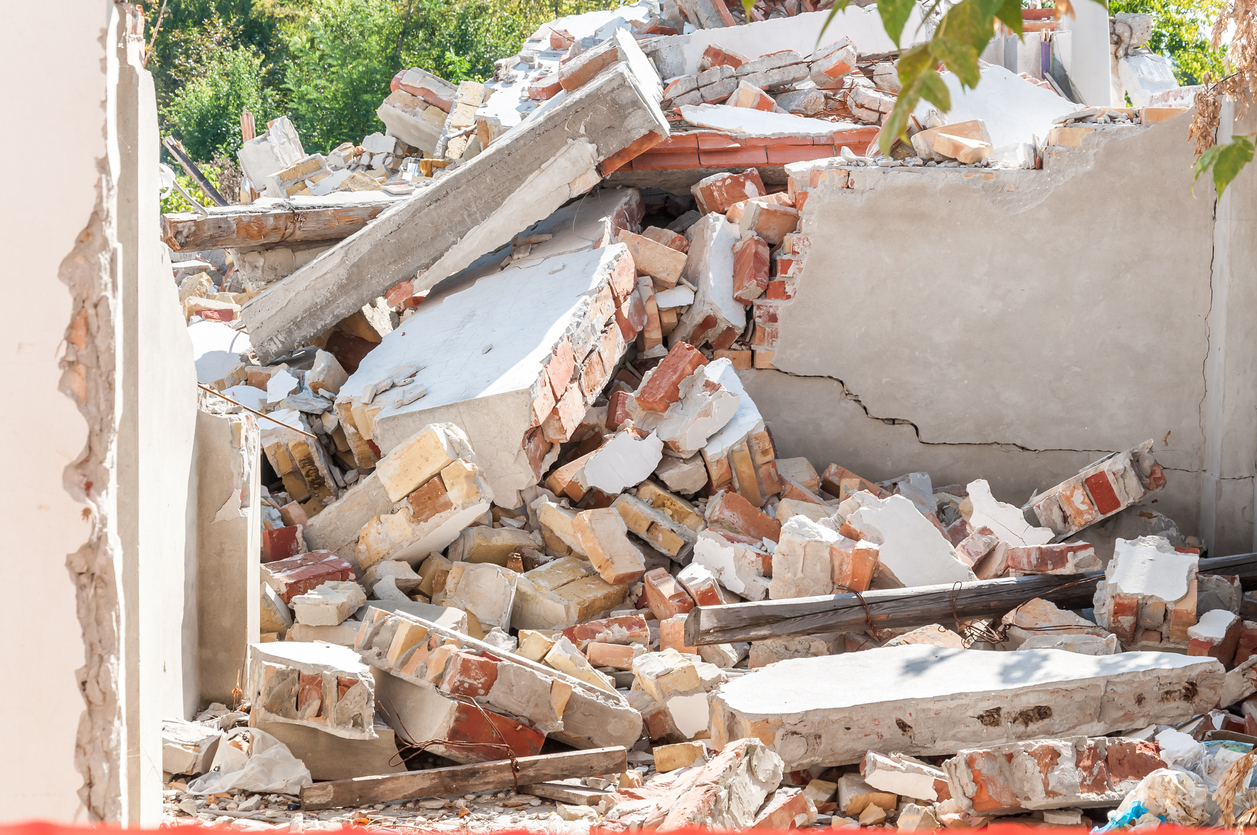
When your home or property suffers damage—be it from a storm, burst pipe, fire, or vandalism—the road ahead can feel overwhelming. Navigating the complex maze of insurance policies, adjusters, and negotiations demands not just urgency, but clarity. Here are five key things you need to know to protect yourself and advocate effectively for fair compensation.
1. Document Everything Immediately
The backbone of any successful property damage claim is thorough documentation. Capture clear photos and videos of every angle of the damage—interiors, exteriors, structural issues, personal items, and affected areas beyond the immediate site.
Make sure to document:
- Dates and timestamps for each photo or video.
- Descriptions of each damaged item (type, age, approximate value).
- The condition of the surrounding structures or environments that may have influenced the damage.
Don’t wait—delays can raise red flags and weaken your case. Immediate documentation helps establish a credible, time-stamped narrative of what happened and the extent of damage.
2. Know Your Policy Inside and Out
It’s essential to understand your policy’s coverage, limits, and exceptions, specifically:
- Identify what types of damage are covered (e.g., wind, water, fire, theft).
- Learn what’s explicitly excluded (e.g., flood, neglect, long-term wear and tear).
- Check whether your policy has special endorsements or requires additional policies—like flood or earthquake insurance in high-risk zones.
- Know the forms and deadlines required for notice and proof of loss.
Understanding these details empowers you to avoid unwanted surprises, avoid gaps in your claim, and push back effectively if the insurer invokes an exclusion.
3. Proceed Cautiously with Insurance Adjusters
Adjusters are trained to evaluate claims with the insurer’s bottom line in mind—not necessarily yours.
When dealing with insurance representatives:
- Stick to factual descriptions—avoid speculation or admitting fault.
- Be wary if approached by public or independent adjusters (especially in disaster zones).
- Remember that while independent adjusters may seem objective, always verify their licensing and fee structures.
- Never accept verbal estimates or assurances—get everything in writing.
- If the insurance adjuster undervalues damage or claims it’s “only cosmetic,” consider seeking an independent appraisal or hiring your own expert to assess repairs.
Remember that every statement, implicit or explicit, can influence the insurer’s valuation of your claim.
4. Never Rush Into Repairs or Accept the First Offer
An early repair or a quick payout might feel like relief after a stressful event—but acting too soon can jeopardize your claim.
You should consider the following:
- Delay non-emergency repairs until an adjuster has assessed the damage, unless you need to preserve safety (covering a broken window, for example). Even then, document those actions extensively and ensure the insurer agrees to reimburse them.
- Get multiple repair estimates from trusted contractors—even if the insurer refers someone. You have the right to choose who does the work.
- Review settlement offers carefully before accepting. The initial offer is often lower than what you’re rightfully owed; take the time to compare estimates and speak up if it’s insufficient.
- Keep receipts and records of all interactions and repair-related expenses. This helps substantiate your claim and ensures proper reimbursement.
Rushing forward can lead to underpaid settlements or misunderstandings that are hard to correct later.
5. Maintain a Clear Paper Trail and Stay Organized
A successful property damage claim relies on meticulous record-keeping.
Establish and maintain an organized system—either digitally or in physical files—for everything, including:
- Logs of phone calls or conversations (including date, time, person, and summary of discussion).
- Emails, letters, or messages exchanged with the insurer or any representatives.
- Documentation of temporary repairs or emergency costs.
- Estimates, receipts, and invoices for repairs and professional services.
- Correspondence from the insurer regarding approvals, denials, or adjustments.
If disagreements arise or the claim stalls, this trail provides clarity and leverage. If needed, those records become invaluable evidence of your diligence and the insurer’s response—or lack thereof.
When to Seek Professional Help After Suffering Property Damage
Sometimes professional support makes the difference between a denied claim and full compensation.
You may want to consult contractors for independent repair estimates. You should also contact an attorney if the insurer is delaying, undervaluing, or denying a valid claim.
Having an advocate on your side can level the playing field against powerful insurance companies.
How an Attorney Can Help With a Property Damage Claim
Property damage claims might seem straightforward, but insurance companies often make the process far more difficult than expected. Having an experienced attorney on your side can make a significant difference.
Here’s how:
- Protecting Your Rights: Attorneys understand the tactics insurers use to minimize payouts. They ensure your rights are protected and that the insurance company follows through on its contractual obligations.
- Interpreting Policy Language: Insurance policies are filled with technical terms and fine print. An attorney can review your policy, explain what’s covered (and what isn’t), and identify loopholes the insurer might exploit.
- Negotiating Fair Settlements: Insurers often offer low initial settlements. An attorney can gather evidence, obtain expert opinions, and present a strong case for the full value of your claim.
- Handling Denials or Delays: If your claim is denied or stalled, an attorney can challenge the decision through appeals, litigation, or negotiation. This takes the pressure off you and increases your chances of success.
- Reducing Stress: Property damage is disruptive enough on its own. Having a lawyer handle communications, deadlines, and disputes allows you to focus on rebuilding your life.
Working with an attorney ensures that your claim isn’t just processed—it’s pursued aggressively with your best interests in mind.
Contact the New York Personal Injury Lawyers at Rosenbaum Personal Injury Lawyers for Help Today
Dealing with property damage is stressful—but the claims process doesn’t have to add to your burden. By documenting everything promptly, understanding your policy’s intricacies, navigating adjuster interactions strategically, resisting hasty repairs or premature offers, and maintaining a detailed paper trail, you’re far more likely to receive fair compensation.
For more information, please contact Rosenbaum Personal Injury Lawyers to schedule a free consultation. We have three convenient locations around Manhattan, NY, near you in New York City, The Bronx, and Brooklyn.
Rosenbaum Personal Injury Lawyers – New York City Office
100 Wall St 24th Floor, New York, NY 10005
(212) 514-5007
Rosenbaum Personal Injury Lawyers – Bronx Office
1578 Williamsbridge Rd suite 3b, Bronx, NY 10461
(212) 514-5007
(917) 905-2339
Rosenbaum Personal Injury Lawyers – Brooklyn Office
32 Court St #704, Brooklyn, NY 11201
(212) 514-5007
(917) 920-7332
