

Craig D. Rosenbaum | December 10, 2025 | Car Accidents
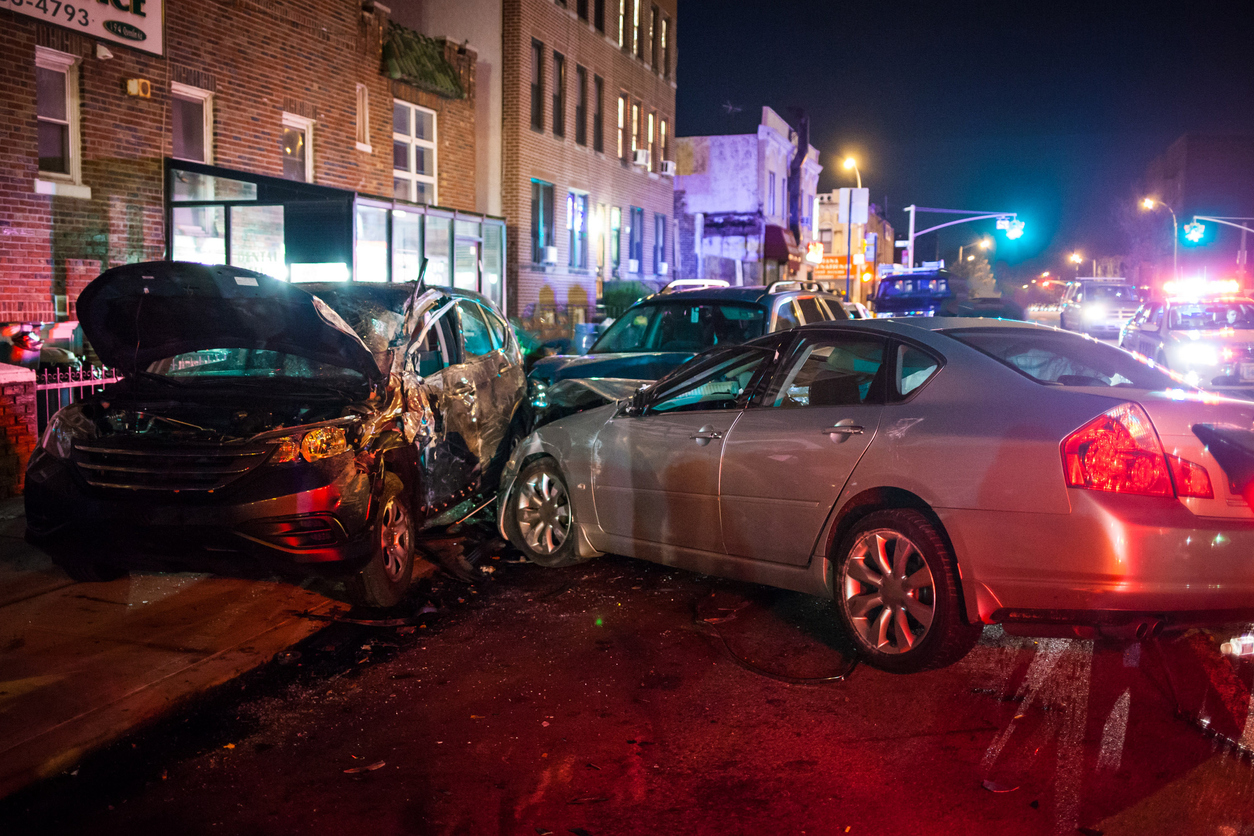
A pile-up accident, also known as a multi-vehicle collision or chain-reaction crash, is a type of car accident involving three or more vehicles. These crashes often happen on highways and can result in serious injuries, fatalities, and extensive property damage.
Drivers who face a pile-up need to understand the causes, consequences, and legal aspects to protect themselves and pursue compensation when appropriate.
What Causes Most Pile-Up Accidents?
Pile-up crashes rarely stem from a single mistake. Instead, they tend to develop when several risk factors happen at once, reducing visibility, slowing reaction times, or creating unsafe stopping distances.
Common causes include:
- Poor visibility: Fog, heavy rain, and snow make it harder for drivers to see hazards and react in time, increasing the chances of a chain-reaction crash.
- Distracted driving: Texting, eating, adjusting the radio, or other distractions delay driver response and can easily trigger multi-vehicle collisions.
- Tailgating: Following too closely leaves little room to brake safely when traffic suddenly slows or stops.
- Mechanical failures: Malfunctions such as brake issues or tire blowouts can cause sudden, unexpected stops that other drivers may not be able to avoid.
- Driving under the influence: Alcohol or drug impairment reduces judgment, slows reaction time, and makes it more likely that a driver will cause or worsen a pile-up.
These common factors often combine to create the conditions that lead to pile-up accidents.
Common Hazards That Lead to Chain-Reaction Collisions
Certain roadway hazards significantly increase the risk of a multi-car collision, especially when drivers fail to adjust to changing conditions. Some of the most common include:
- Speeding: Higher speeds reduce reaction time and increase the severity of impact, especially in poor weather or on slick road surfaces.
- Icy roads: Ice and packed snow make it difficult to maintain traction, steer properly, or stop in time.
- Construction zones: Lane shifts, narrowed roadways, heavy equipment, and temporary barriers can surprise drivers and obstruct visibility, increasing the chance of a chain reaction.
- Roadway debris: Cargo, tire fragments, or other debris can cause drivers to brake or swerve abruptly, triggering multi-vehicle crashes.
These hazards increase the risk of a multi-car collision because they compromise traction, visibility, or available reaction time—conditions that make chain-reaction crashes much more likely.
Damages You May Recover After a Multi-Car Crash
Victims of pile-up accidents may be eligible to recover several types of compensation, including economic and non-economic damages, such as:
- Vehicle and property damage
- Medical expenses
- Lost income and reduced earning ability
- Additional out-of-pocket expenses
- Pain and suffering
These damages reflect the financial and personal impact a pile-up can have. Documenting each loss thoroughly can strengthen your claim and improve your chances of full compensation.
Legal Risks You May Face After a Multi-Vehicle Crash
Multi-car collisions often involve complicated questions of fault. Depending on the circumstances, you may face legal risks such as:
- Being held partially responsible for the crash
- Owing compensation for medical costs, lost wages, or property damage
- Facing lawsuits from injured parties seeking additional recovery
Because liability can spread across several drivers, legal exposure after a pile-up can be significant. Understanding your potential risks early helps you make informed decisions.
Steps To Take After a Pile-up Accident
The actions you take immediately after a pile-up can protect your health and strengthen your claim. After an accident, you should:
- Call 911 to report the crash and ensure injured individuals receive urgent medical care.
- Request a police report documenting vehicle damage, road conditions, and driver statements.
- Document the scene with photos and videos showing damage, road conditions, and vehicle positions.
- Collect witness information to support your version of events.
- Seek medical attention even if injuries seem minor, as symptoms can worsen over time.
- Contact a car accident attorney to evaluate your case and protect your rights.
Following these steps helps preserve crucial evidence and ensures your physical well-being and legal interests are protected.
Get Help From a Brooklyn Personal Injury Attorney
Pile-up accidents in Brooklyn, New York, can have life-changing consequences, but you don’t have to face the aftermath alone. A personal injury attorney can help you navigate complex insurance issues, pursue compensation, and hold the at-fault parties accountable.
For more information, please contact Rosenbaum Meier Personal Injury Lawyers to schedule a free consultation. We have three convenient locations around Manhattan, NY, near you in New York City, The Bronx, and Brooklyn.
Rosenbaum Meier Personal Injury Lawyers – New York City Office
100 Wall St 24th Floor, New York, NY 10005
(212) 514-5007
Rosenbaum Meier Personal Injury Lawyers – Bronx Office
1578 Williamsbridge Rd suite 3b, Bronx, NY 10461
(212) 514-5007
(917) 905-2339
Rosenbaum Meier Personal Injury Lawyers – Brooklyn Office
32 Court St #704, Brooklyn, NY 11201
(212) 514-5007
(917) 920-7332