

What Is a Hematoma?
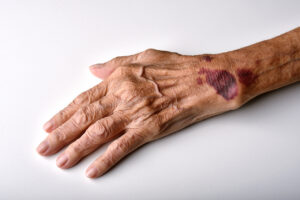
A hematoma is a collection of blood that forms outside of a blood vessel after an injury causes the vessel wall to break or tear. Unlike normal blood flow through veins, arteries, and capillaries, blood from a hematoma pools in surrounding tissues, muscles, organs, or other areas of the body. Depending on its size and location, a hematoma can range from a minor injury that heals on its own to a serious medical condition requiring immediate treatment.
Many people associate hematomas with bruises, but the two are not exactly the same. While both involve bleeding beneath the skin, a hematoma generally involves a larger amount of blood and often causes noticeable swelling or a raised lump. In some cases, hematomas can develop deep inside the body where they are not immediately visible.
What Causes a Hematoma?

Most hematomas occur because of trauma or injury. When a blood vessel is damaged, blood escapes into nearby tissue and begins to collect. The body typically works to stop the bleeding through clotting, but larger injuries may result in significant blood accumulation.
Common causes of hematomas include:
- Car accidents
- Slip and fall accidents
- Sports injuries
- Workplace accidents
- Surgical procedures
- Direct blows to the body
- Head injuries
- Bone fractures
Certain individuals may have a higher risk of developing hematomas. Older adults, people taking blood-thinning medications, and those with bleeding disorders may experience more severe bleeding even after relatively minor injuries.
Types of Hematomas
Hematomas are classified according to where they develop in the body.
Subcutaneous Hematoma
A subcutaneous hematoma forms beneath the skin. This is one of the most common types and often appears as a swollen, discolored lump. These injuries frequently result from falls, sports injuries, or blunt-force trauma.
Muscle Hematoma
Muscle hematomas occur when blood collects within muscle tissue. They can cause significant pain, stiffness, swelling, and reduced mobility. Athletes and accident victims commonly experience muscle hematomas following direct impacts.
Subungual Hematoma
A subungual hematoma develops underneath a fingernail or toenail. It is often caused by crushing injuries, such as dropping a heavy object on a finger or toe. Because blood becomes trapped under the nail, these injuries can be extremely painful.
Intracranial Hematoma
An intracranial hematoma occurs inside the skull and is among the most dangerous forms of hematoma. These injuries often result from head trauma and can place pressure on the brain. Types of intracranial hematomas include subdural hematomas, epidural hematomas, and intracerebral hematomas. Immediate medical attention is critical because these conditions can be life-threatening.
Internal Organ Hematomas
Hematomas can also develop around internal organs, including the liver, spleen, kidneys, or abdominal cavity. Since these injuries may not be visible externally, they can be difficult to detect without medical imaging.
Symptoms of a Hematoma
Symptoms vary depending on the hematoma’s size and location. Smaller hematomas may cause only mild discomfort, while larger ones can create serious complications.
Common symptoms include:
- Pain or tenderness
- Swelling
- Skin discoloration
- Warmth around the affected area
- A visible lump or raised area
- Reduced movement or stiffness
When a hematoma affects the head or brain, symptoms can become much more severe.
Warning signs may include:
- Persistent or worsening headache
- Dizziness
- Confusion
- Slurred speech
- Vision problems
- Weakness on one side of the body
- Loss of consciousness
- Seizures
These symptoms may indicate a potentially life-threatening brain injury and require emergency medical care.
Hematoma Diagnosis
Healthcare providers diagnose hematomas using a combination of physical examination, medical history, and diagnostic testing.
For visible hematomas near the surface of the skin, a physical examination may be sufficient. However, deeper hematomas often require imaging studies to determine their size and location.
Common diagnostic tools include:
- X-rays
- Ultrasounds
- Computed tomography (CT) scans
- Magnetic resonance imaging (MRI)
Imaging is especially important when doctors suspect bleeding inside the skull, abdomen, or other internal areas.
Treatment Options for Hematomas
Treatment depends on the location, size, and severity of the hematoma, but may include:
- Rest
- Ice application
- Compression
- Elevation of the injured area
- Over-the-counter pain relief
- Drainage
Serious hematomas, particularly those involving the brain or internal organs, may require emergency surgery. Surgeons may need to remove the blood clot, repair damaged blood vessels, or relieve pressure on nearby tissues.
When Should You Seek Medical Attention?
Medical evaluation is recommended whenever a hematoma causes significant pain, continues to enlarge, or limits normal movement. Immediate emergency care should be sought after a head injury if symptoms such as confusion, loss of consciousness, seizures, severe headache, or vision changes occur.
You should also contact a healthcare provider if:
- Swelling rapidly worsens
- The affected area becomes increasingly painful
- You are taking blood-thinning medications
- Signs of infection develop
- Symptoms do not improve over time
Prompt diagnosis and treatment can help prevent complications and improve recovery outcomes.
Contact the NYC Personal Injury Lawyers at Rosenbaum Meier Personal Injury Lawyers to Schedule a Free Consultation
A hematoma is more than just a bruise. While many hematomas are minor and heal naturally, others can cause serious complications depending on where they occur and how much bleeding is involved. Understanding the symptoms, causes, and treatment options can help you recognize when medical attention is necessary.
If you suffered a traumatic injury due to someone else’s negligence and developed a hematoma or other serious medical condition, Rosenbaum Meier Personal Injury Lawyers can help you understand your legal options and pursue compensation for your injuries. Contact us today for a free consultation with an experienced NYC personal injury lawyer.
NYC Personal Injury Law Office Location & Hours
Rosenbaum Meier Personal Injury Lawyers
100 Wall St 24th Floor, New York, NY 10005
(212) 514-5007
Bronx Personal Injury Law Office Location & Hours
Rosenbaum Meier Personal Injury Lawyers Bronx
1578 Williamsbridge Rd suite 3b, Bronx, NY 10461, United States
(929) 447-2347
Brooklyn Personal Injury Law Office Location & Hours
Rosenbaum Meier Personal Injury Lawyers Brooklyn
32 Court St suite 704, Brooklyn, NY 11201, United States
(718) 550-3601